How to Make a Beeswax Candle Last Longer: 9 Candle Care Tips
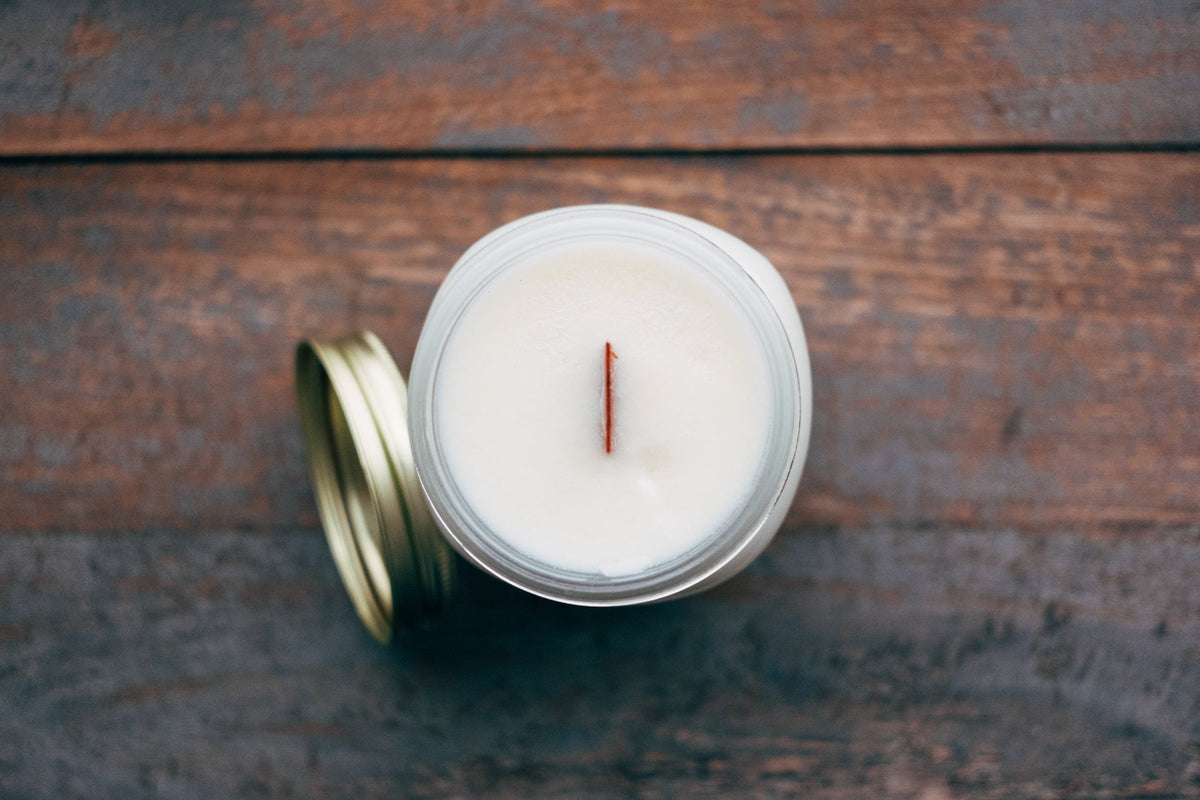
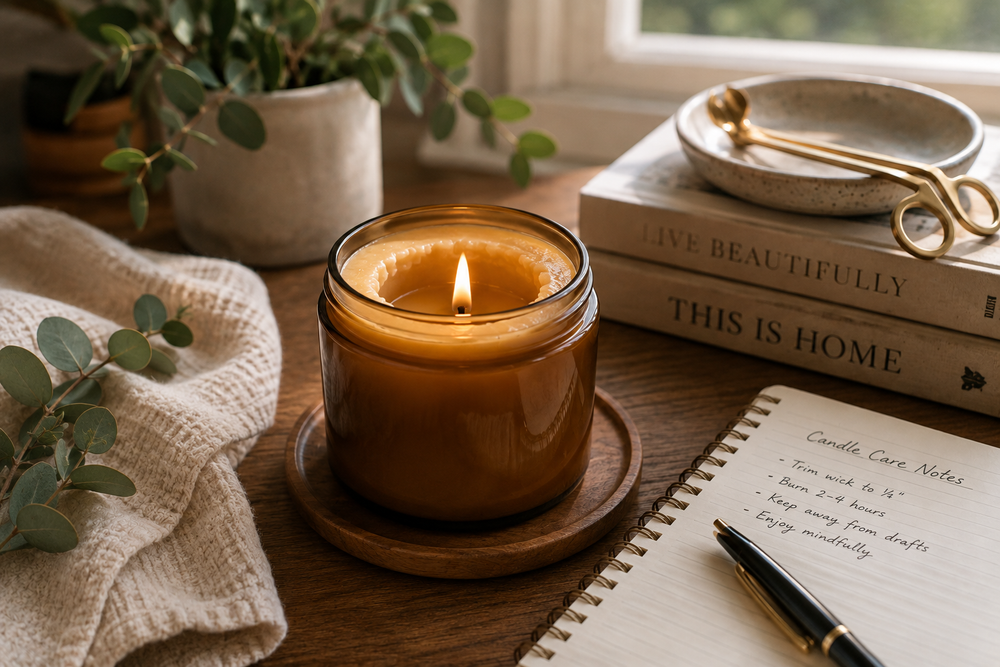
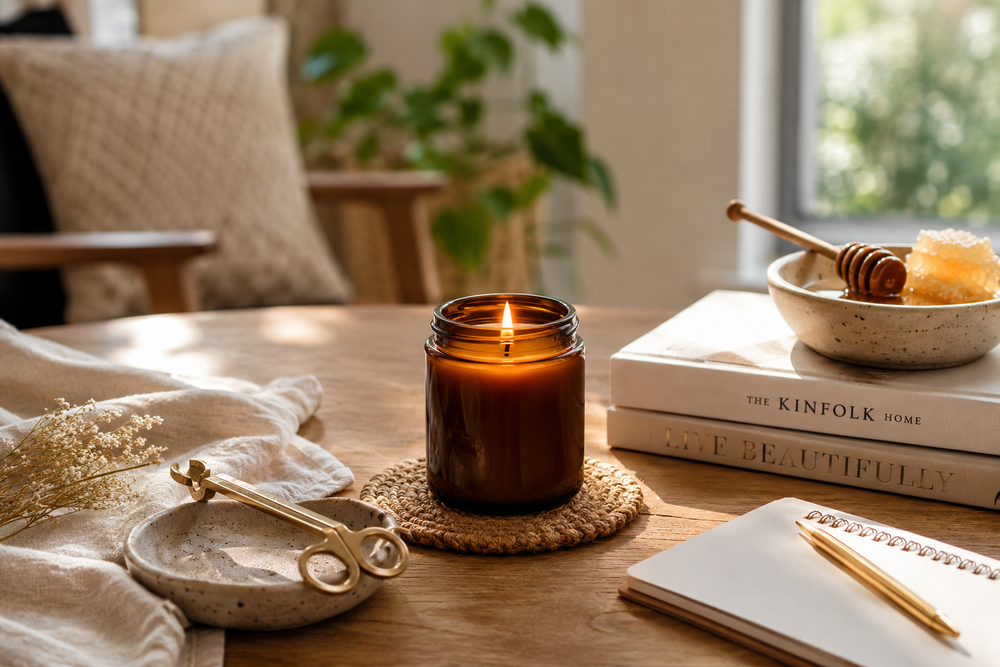
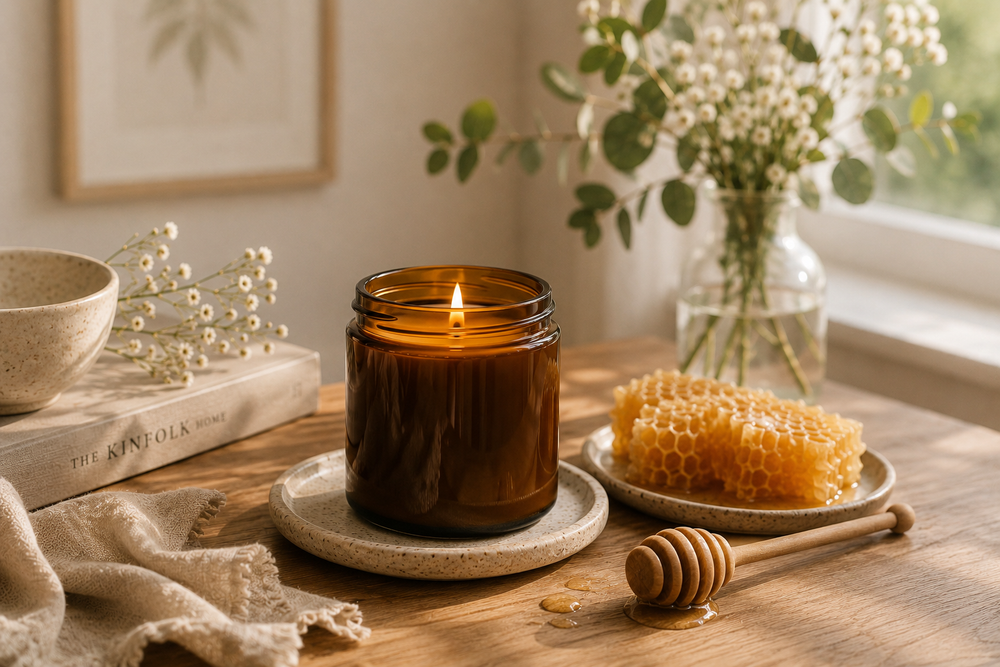
A well-made beeswax candle can give you many slow, beautiful evenings—but how you burn it matters. A candle is a small system: wax feeds the wick, the wick controls the flame, and the flame creates the melt pool that determines how evenly the candle continues to burn.
If your candle tunnels, develops a large flame, smokes, or seems to disappear faster than expected, the problem is not always the candle itself. A few simple habits can help you get a cleaner, more even burn and make better use of the wax you paid for.
Beeswax also has its own personality. It is denser and behaves differently from many familiar candle waxes, and it may develop natural bloom or small variations in color over time. Understanding those characteristics makes candle care easier and helps you avoid “fixes” that can do more harm than good.
Here are the practices we recommend for Solstice Naturals candles, plus answers to the most common burn problems.
1. Give the first burn enough time
The first burn helps establish how the candle behaves later. Instead of lighting a new candle for only a few minutes, allow the wax to melt outward across most of the surface before extinguishing it.
You do not need to obsess over a perfectly edge-to-edge melt pool every single time. The useful principle is to avoid repeatedly burning a new candle for very short periods, which can encourage a narrow melt pool and leave a ring of unused wax around the sides.
Plan the first burn for a time when you can stay nearby and enjoy the candle. A quiet evening at home is better than lighting it just before leaving the room or going to bed.
If you are still learning how beeswax behaves, our Candle Care guide is a useful reference to keep bookmarked.
2. Trim the wick before each burn
A wick that has become too long can create a larger flame, more visible soot, and a faster burn. Before relighting a completely cooled candle, remove the loose charred portion and keep the wick neatly maintained according to the care guidance provided with the candle.
The goal is not to make the wick as short as possible. An over-trimmed wick may struggle to stay lit or become overwhelmed by liquid wax. You are looking for a controlled, steady flame.
Never trim or manipulate a wick while the candle is burning, and avoid cutting a hot wax-soaked wick immediately after extinguishing it. Let the candle cool first.
3. Avoid marathon burn sessions
Leaving a candle burning for an excessively long time can create an unnecessarily deep melt pool and allow the vessel and wax to become hotter than intended. It can also leave a longer wick and larger flame as the burn progresses.
Follow the burn-time guidance on your candle and never leave a burning candle unattended. A candle is not an all-day appliance. If you want fragrance throughout an entire evening, it is better to enjoy the candle within its recommended burn window, extinguish it safely, and relight it later after it has cooled if appropriate.
Longer is not automatically better. A healthy burn is about control, not maximizing the number of hours the flame stays lit in one session.
4. Keep the candle away from drafts
Fans, open windows, air-conditioning vents, and high-traffic areas can push a flame to one side. A dancing flame may look atmospheric, but a persistent draft can lead to uneven melting and unnecessary soot.
Place the candle on a stable, heat-resistant surface away from moving air, children, pets, and anything flammable. A calmer flame generally means a more controlled burn.
If you notice the flame leaning strongly in one direction, look at the environment before assuming something is wrong with the wick.
5. Let the candle cool completely before relighting
After extinguishing your candle, allow the wax to cool and solidify before starting another burn. Relighting while the wax is still deeply molten changes the conditions the wick is working in and can make the next burn harder to control.
Cooling also gives you a clean opportunity to inspect the wick, remove loose char, check that the wax surface is free of debris, and make sure the vessel is in good condition before the next use.
Think of each burn as a separate session rather than one continuous cycle interrupted for a few minutes.
6. Keep debris out of the wax
Matches, wick trimmings, dust, and other debris do not belong in the melt pool. Besides looking messy, foreign material can interfere with the way the candle burns.
Once the candle is completely cool, keep the wax surface clean. If your vessel has a lid, use it for storage after the candle has cooled fully.
A clean melt pool is especially important as the candle gets lower in the vessel because stray material is more likely to move close to the flame.
7. Store beeswax candles thoughtfully
When a candle is not in use, store it in a cool, dry place away from prolonged direct sunlight and excessive heat. This helps protect both the wax and any aromatic materials from unnecessary environmental exposure.
Beeswax can also develop a pale, frosted-looking film over time known as bloom. Bloom is a natural characteristic of beeswax, not mold or spoilage. We explain what causes it in What Is Candle Bloom?
Do not treat every change in beeswax appearance as a defect. Natural wax has material character, and some variation is expected.
8. Know when to stop burning the candle
Do not try to extract every last drop of wax from a vessel candle. Stop using the candle when it reaches the minimum remaining-wax level specified by the maker. Burning all the way to an almost-empty vessel can cause the container to become excessively hot.
A little wax left behind at the end is not wasted craftsmanship. It is part of using a container candle responsibly.
If the wick has migrated, the vessel is damaged, or the flame is behaving abnormally near the end of the candle, discontinue use instead of trying to squeeze out one more burn.
9. Match your expectations to beeswax
Beeswax has its own material character. Its color can vary naturally, bloom can appear on the surface, and its burn behavior is not identical to paraffin or soy.
That is one reason we prefer understanding the material rather than trying to make it behave like every other wax. If you are curious about the differences, read our comparison of beeswax vs. paraffin vs. soy wax and our evidence-focused guide to beeswax candle benefits.
Good candle care starts with realistic expectations. Beeswax does not need to mimic another wax to perform beautifully.
Why does the first burn matter so much?
People often describe candles as having “memory.” That phrase can be oversimplified, but it points to a useful practical idea: repeated short burns can establish a narrow melt pattern that becomes harder to correct later.
When the wax repeatedly melts only around the wick, the candle may continue down that path and leave a wall of wax around the perimeter. Giving the candle enough time to develop a healthy melt pool early in its life helps reduce that risk.
This does not mean you need a stopwatch or a complicated ritual. It means planning your burns around enough uninterrupted time for the candle to warm properly.
Why is my beeswax candle tunneling?
Tunneling happens when the candle repeatedly melts down the center while leaving a ring of harder wax around the outside. Short burn sessions are a common contributor, especially early in the candle's life.
If the candle has only begun to tunnel, a longer, supervised burn may allow the melt pool to widen. Severe tunneling is harder to reverse, which is why establishing a healthy burn pattern early is easier than repairing one later.
Avoid improvised methods that trap excessive heat around the vessel or create a fire hazard. If a candle is behaving abnormally, follow the maker's care instructions or contact them rather than using internet hacks indiscriminately.
Why is my candle flame too large?
A large flame can be a sign that the wick has become too long or developed substantial carbon buildup. Extinguish the candle, let it cool completely, then inspect and trim the wick before relighting.
Also check the environment. A draft can stretch or disturb a flame, making it appear more unstable than it would in still air.
If the flame remains unusually large, smoky, or unstable after proper care, discontinue use rather than trying to force the candle to behave normally.
Why is my candle flame too small?
A very small flame can happen when a wick has been trimmed too short or when it is struggling in a deep melt pool. Give the candle time to cool before attempting to correct it.
Avoid digging aggressively around the wick, pouring hot wax from the vessel, or trying to expose more wick while the candle is lit.
If a Solstice Naturals candle is behaving unexpectedly, contact us with a photo and details about the burn. That gives us far more useful information than a description such as “the flame looks weird.”
Why is my candle smoking?
A candle may smoke if the flame is disturbed, the wick has become too long, debris has entered the wax, or the candle is burning in a draft.
Occasional movement in a flame is normal. Persistent visible smoke is not something to ignore. Extinguish the candle, allow it to cool, check the wick and environment, and correct the obvious issue before relighting.
If the problem returns despite proper care, discontinue use and contact the maker.
Why does the wick form a little mushroom?
Some wicks develop a small carbon cap at the tip as they burn. A modest amount can happen naturally, but a large buildup can contribute to an oversized flame or soot.
Once the candle has cooled, remove loose excess carbon before the next burn. Do not knock hot wick debris directly into the melt pool.
The important point is not achieving a perfectly pristine wick after every burn. It is preventing a large unstable buildup from continuing unchecked.
Does beeswax burn longer than other candle waxes?
You will often see broad claims that beeswax candles always burn longer than every alternative. Real burn time is more complicated.
Wax type matters, but so do vessel diameter, wick selection, fragrance load, formulation, room conditions, and how the candle is used. A poorly maintained candle can burn inefficiently regardless of what wax is in the vessel.
That is why we avoid promising a universal advantage based on wax alone. A properly formulated beeswax candle can provide a slow, satisfying burn, but the finished candle system matters more than a single ingredient.
Does trimming the wick really make a candle last longer?
Proper wick maintenance can help prevent an oversized flame and unnecessarily rapid wax consumption. But shorter is not always better.
An over-trimmed wick may struggle to stay lit, create a weak melt pool, or become difficult to recover. The goal is a controlled, stable flame—not the smallest possible wick.
Wick care is one of several variables. Burn duration, drafts, room temperature, vessel dimensions, and the candle formulation also influence how quickly wax is consumed.
Should you use a wick trimmer?
A dedicated wick trimmer can be convenient, especially once the candle is lower in a vessel, but it is not mandatory. Clean scissors can work when the wick is easy to reach and the candle is completely cool.
The tool matters less than the result. You want a neat wick without scattering charred debris into the wax or cutting the wick too aggressively.
There is no need to turn candle care into an equipment hobby unless you enjoy it.
What is the best way to extinguish a beeswax candle?
The safest method is the one recommended by the candle maker and appropriate for the vessel. Whatever method you use, extinguish the flame completely and confirm that the wick is no longer glowing before leaving the candle unattended.
Avoid splashing hot wax, touching the vessel before it has cooled, or immediately replacing a lid in a way that traps heat.
After extinguishing the candle, let it return to room temperature before trimming, moving it long distances, or relighting.
Can you fix an uneven melt pool?
A slightly uneven melt pool is not always a problem. Room drafts, the position of the wick, and small differences in the vessel can affect the surface during a burn.
If one side consistently remains unmelted, first check for airflow and whether the candle is sitting level. Do not rotate or move a hot candle while it is burning just to chase a perfectly symmetrical surface.
For significant recurring problems, contact the candle maker rather than attempting dramatic home remedies.
How to get the best scent from a scented beeswax candle
Fragrance perception depends on room size, airflow, wax temperature, the aromatic materials used, and the candle formulation. Give the candle time to develop a melt pool, but do not extend the burn beyond the maker's guidance just to chase a stronger scent.
A smaller room may make the fragrance seem more noticeable, while an open-plan space may disperse it quickly. Air conditioning, open windows, and ceiling fans can also change how fragrance travels.
Solstice Naturals uses two scent approaches. Our Pure Collection stays close to botanical essential-oil scents, while the Artisan Collection allows a broader fragrance palette. Our guide to essential oils vs. fragrance oils in candles explains why those approaches can feel different in use.
What if you prefer little or no added fragrance?
You do not have to choose a strongly scented candle to enjoy beeswax.
Our Pure Honey candle has no added fragrance, allowing the natural character of the wax and the visual ritual of the flame to take center stage.
This can be especially appealing in dining spaces, smaller rooms, or homes where someone prefers a quieter scent experience.
How room size affects candle performance
A candle that feels perfectly balanced in a bedroom may seem very subtle in a large open living area. That does not necessarily mean something is wrong with the candle.
Fragrance has to disperse into the surrounding air, and large rooms simply give it more space to move through. High ceilings and open floor plans can make a modest scent throw feel lighter.
Choose the candle for the room and the experience you want rather than assuming every candle should fill every space equally.
How often should you burn a candle?
There is no required schedule. Burn it when you have enough time to supervise it properly and let it develop a healthy melt pool.
What matters more than frequency is the quality of each burn. Repeated ten-minute burns are more likely to create problems than less frequent but properly timed sessions.
A candle should fit naturally into your routine rather than creating a care schedule you resent.
Can you leave the lid on while the candle cools?
Wait until the candle has cooled before replacing the lid. Covering a hot candle immediately can trap heat and may also capture smoke or condensation you would rather not have on the wax surface.
Once the vessel is cool, a lid is useful for keeping dust and debris away between burns.
What should you do if the vessel becomes very hot?
Do not touch or move a hot candle unnecessarily. Extinguish the flame safely and allow the vessel to cool completely on a heat-resistant surface.
A candle container will naturally become warm during use, but if it seems excessively hot, the flame is unusually large, or the candle is near the end of its life, discontinue the burn.
Never use water to extinguish a candle or cool a hot glass vessel.
A simple beeswax candle-care routine
You do not need a drawer full of accessories or a complicated ritual.
Before each burn, check the wick and place the candle somewhere stable and draft-free. While it burns, keep it within sight and follow the recommended burn window. Afterward, extinguish it carefully, let it cool completely, and keep the wax surface clean.
Those few habits solve many of the preventable problems people experience with container candles.
Care starts with choosing a well-made candle
Good candle care cannot compensate for a poorly matched wick, vessel, wax, or fragrance formulation. The maker still has to do the formulation work first.
At Solstice Naturals, our candles begin with American beeswax and cotton wicks and are poured in small batches in Gainesville, Georgia. We keep the material story straightforward so you can understand what you are bringing into your home.
Our Ingredient Standards explain how we think about wax, wick, scent, and transparency. If you are still comparing materials, our Why Beeswax? page explains why beeswax sits at the center of the brand.
Beeswax candle care: quick checklist
Before lighting: place the candle on a stable heat-resistant surface, keep it away from drafts and flammable materials, and check the wick.
While burning: keep the candle within sight, avoid moving it, and do not let the session run excessively long.
After burning: extinguish the flame completely, let the vessel and wax cool, remove loose wick debris, and store the candle somewhere cool and dry.
That is the entire system in its simplest form.
Frequently asked questions
How long should a beeswax candle burn each time?
Follow the maker's instructions for the specific candle. The useful principle is to give the candle enough time to develop a healthy melt pool without turning every session into an extended marathon burn.
Should the wax reach the edge every time?
Not necessarily. The goal is consistent overall performance, not a perfectly geometric melt pool at every moment. Small variations are normal.
Is beeswax bloom a defect?
No. Bloom is a natural surface characteristic that can appear on beeswax. It does not mean the candle is spoiled.
Can I scrape wax away from the sides?
We do not recommend aggressively modifying a burning candle. If the candle develops significant tunneling or another persistent issue, contact the maker rather than improvising with hot wax.
Why does my candle smell stronger some days than others?
Room temperature, airflow, room size, and your own perception can all change how fragrance is experienced. The candle may be the same even when the environment is not.
The point of candle care is not perfection
A candle is meant to be used, not managed like a laboratory instrument. The goal of good care is simply to help the candle burn safely and consistently enough for you to enjoy the wax, fragrance, and atmosphere it was designed to create.
Trim thoughtfully. Give it time. Keep it out of drafts. Let it cool. Stop when the candle is finished.
Those habits matter far more than most candle-care gimmicks.
If you are comparing candles before buying, start with How to Choose a Clean Candle for Your Home. Or explore all Solstice Naturals candles and choose the scent experience that fits your space.
A candle lasts longer when it is treated like what it is: a small, carefully balanced flame—not background equipment you can forget about once it is lit.